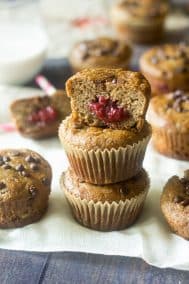
Discover the best paleo muffins made with gluten free + grain free flours and simple ingredients. 20+ healthy, gluten free, grain free, dairy free muffin recipes for breakfast, snacks, and meal prep!
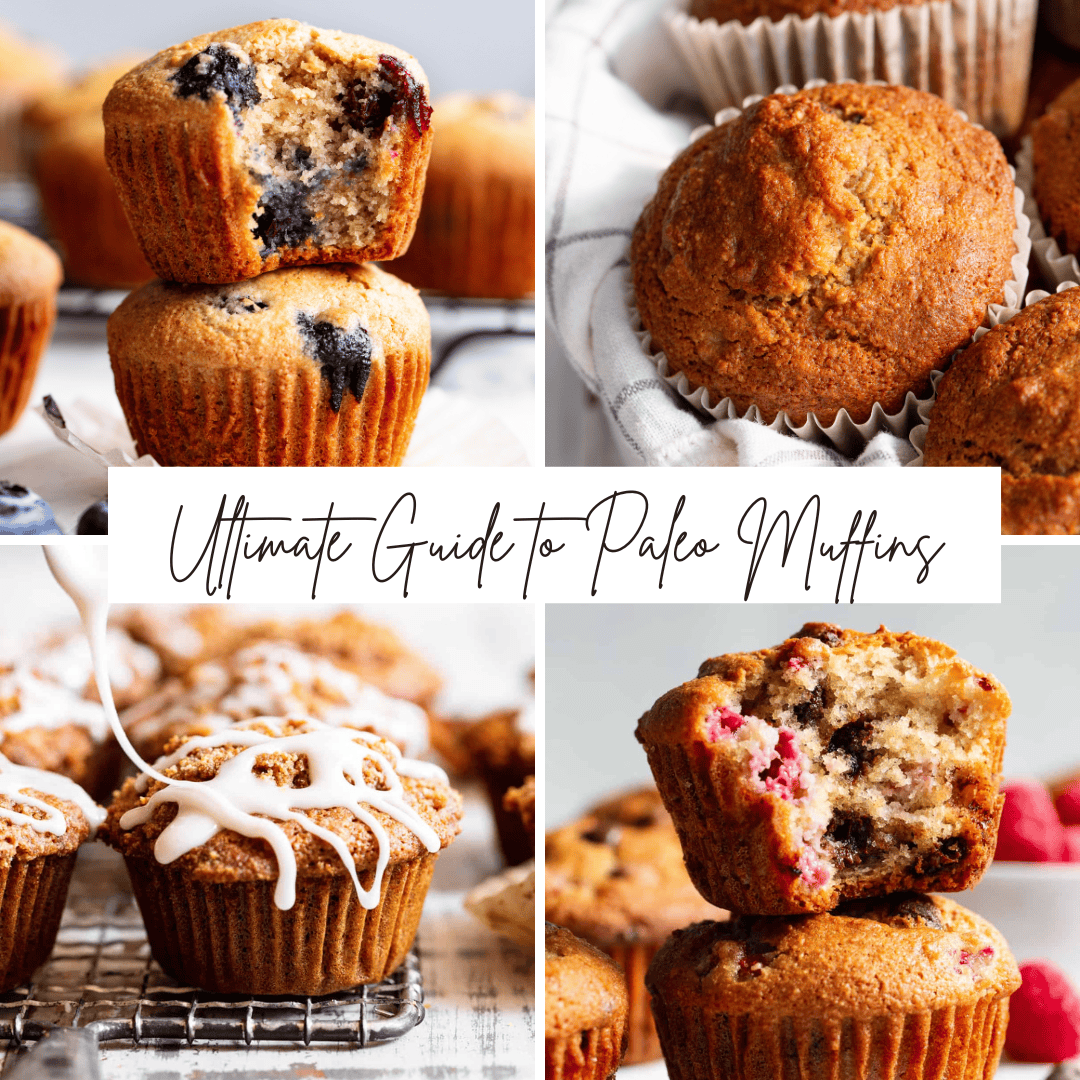
If you’ve been searching for the best paleo muffins that your whole family will actually eat (and fight over!) you’re in the right place!
Whether you’re new to paleo baking or just looking for healthier breakfast and snack options, these paleo muffins are made with simple ingredients like almond flour, natural sweeteners, and healthy fats — no grains, no dairy, and no refined sugar.
In this complete guide, you’ll find everything from classic blueberry muffins to chocolate chip, banana, carrot cake, and seasonal favorites.
I’ve also included tips for baking with almond flour, storage instructions, and how to get that perfect fluffy texture every time!
If you love easy one bowl recipes, make ahead breakfasts, and freezer friendly snacks, these paleo muffin recipes will become staples in your home.
What Makes a Muffin Paleo?
-
No grains! These muffins use a mixture of blanched almond flour and arrowroot or tapioca flour to mimic the texture of traditional muffins.
-
No dairy! All of my paleo muffins substitute refined coconut oil for butter and dairy free milk, like almond milk, for milk. Ghee or grass fed butter can be subbed in if you prefer to use it. Regular milk can also sub in for dairy free if you prefer it or don’t need to eat dairy free.
-
Natural sweeteners! Rather than cane sugar, paleo muffins use maple sugar, honey, maple syrup or coconut sugar to naturally sweeten the recipe.
Baking Tips for Perfect Paleo Muffins
How to prevent dense muffins
Almond flour is naturally heavier than wheat flour because it doesn’t contain gluten. Gluten gives traditional muffins structure and lift.
To avoid dense muffins:
-
Use enough eggs for structure
-
Don’t skip the tapioca or arrowroot
-
Measure almond flour correctly (spoon and level, don’t pack)
-
Avoid overmixing
The Best Flour Ratio for Almond Flour Muffins
For most paleo muffins, a good starting point is:
-
2 cups blanched almond flour
-
1/4–1/3 cup tapioca or arrowroot
This balance keeps muffins moist but not wet, fluffy but not crumbly.
Too much almond flour -> heavy muffins
Too much arrowroot or tapioca -> gummy texture
Choosing the Right Sweetener
Paleo muffins work best with:
-
Maple syrup
-
Honey
-
Maple Sugar (my favorite!)
-
Coconut sugar
Liquid sweeteners create softer muffins. Granulated sweeteners create slightly fluffier texture, which I prefer.
If reducing the sugar in a recipe, reduce it slightly — not drastically, to prevent dry muffins.
Don’t Skip the Eggs (Structure Matters!)
Eggs are critical in paleo baking because they replace the structure that gluten provides in traditional recipes.
For almond flour based muffins, 3 eggs per 2 cups of almond flour is typical.
Too few eggs = crumbly muffins
Too many eggs = rubbery texture
Classic Paleo Muffins
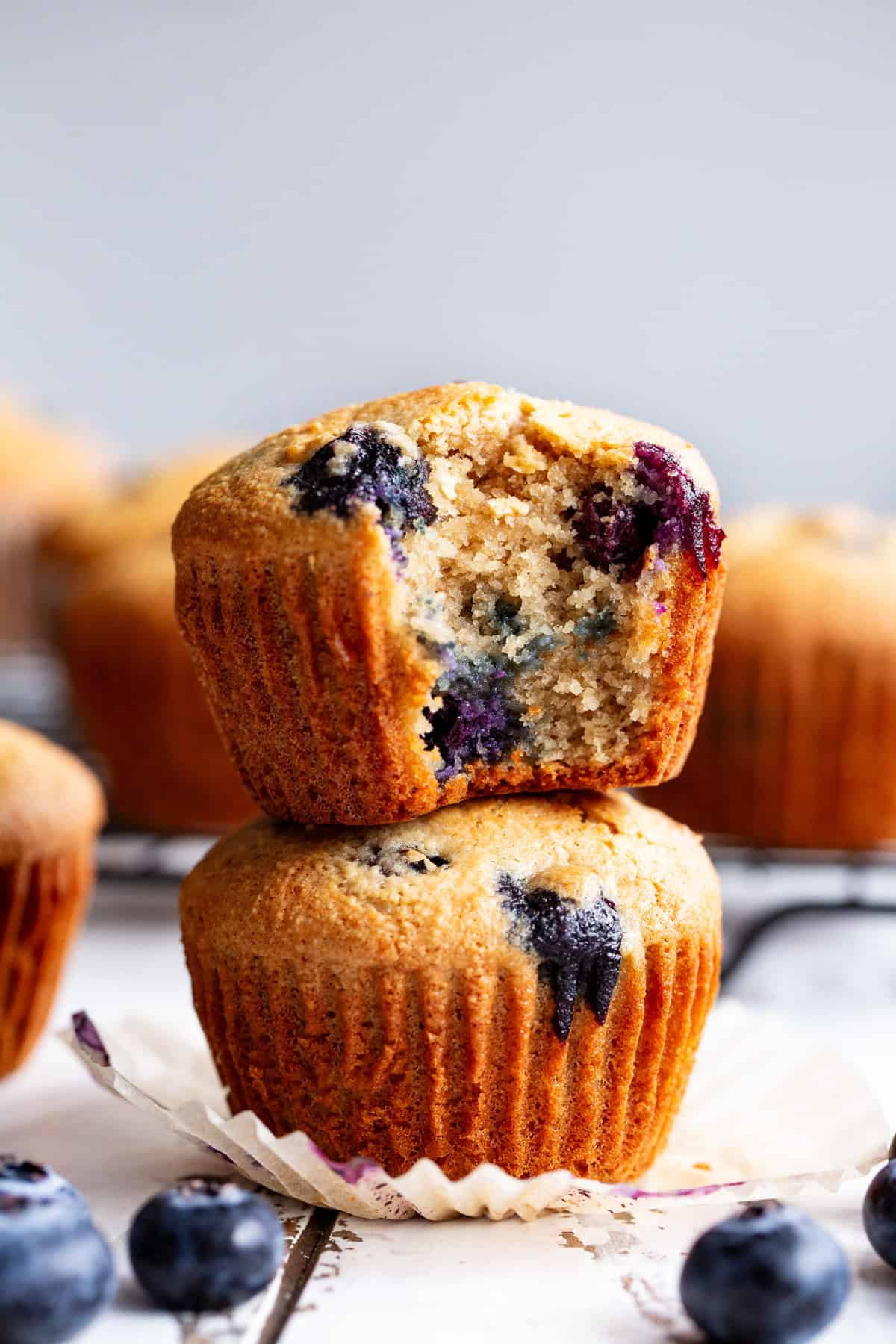
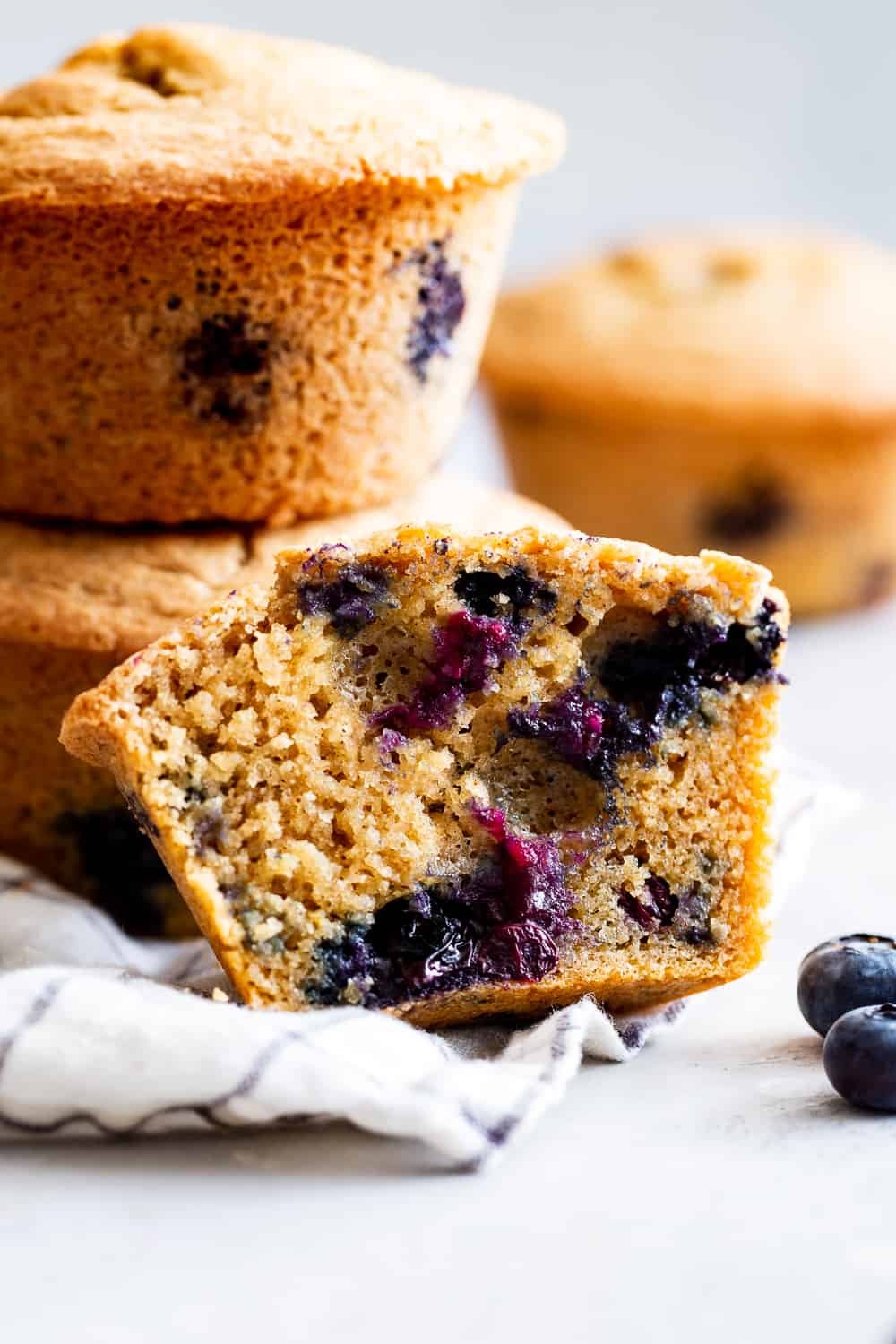
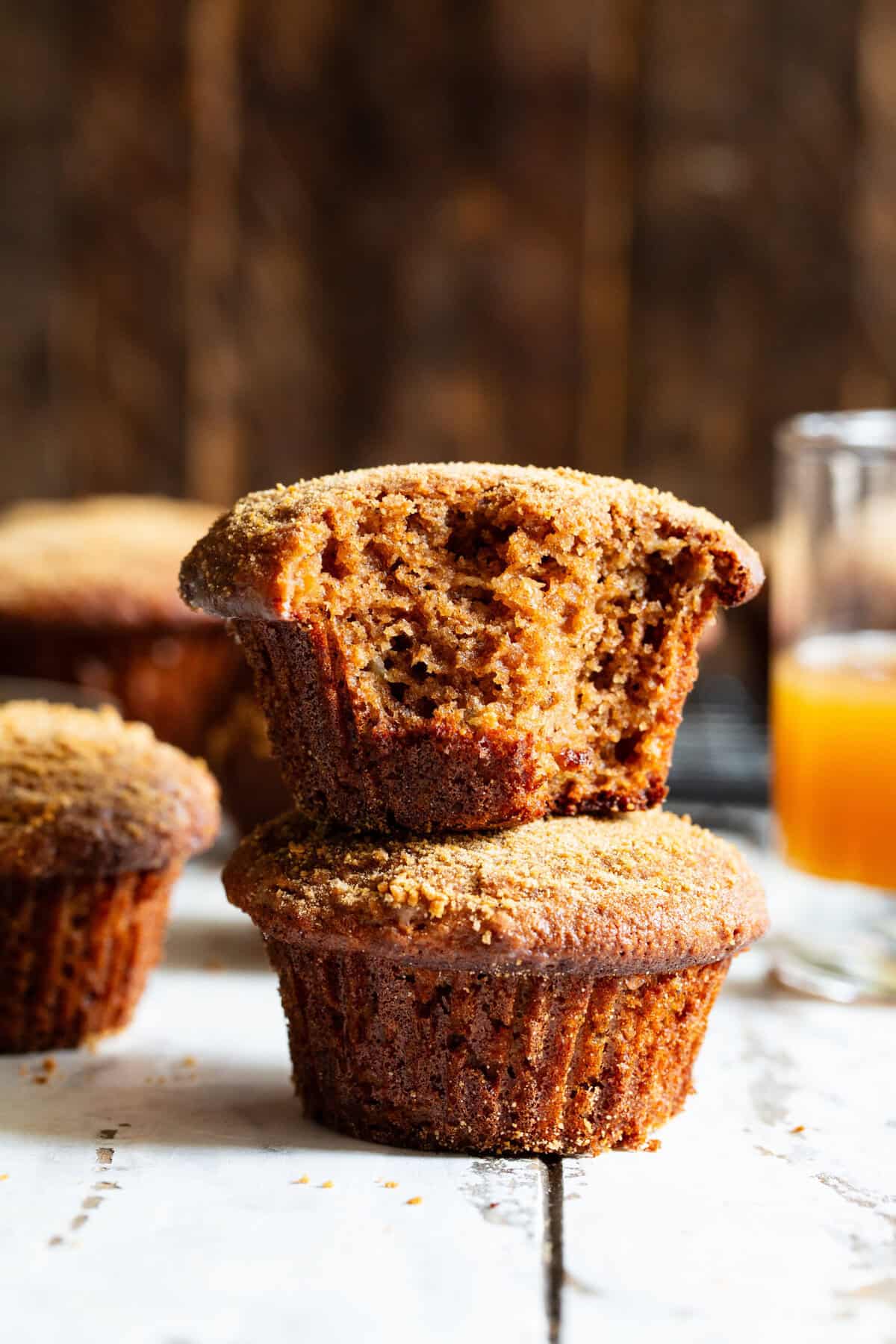
One Bowl Paleo Blueberry Muffins
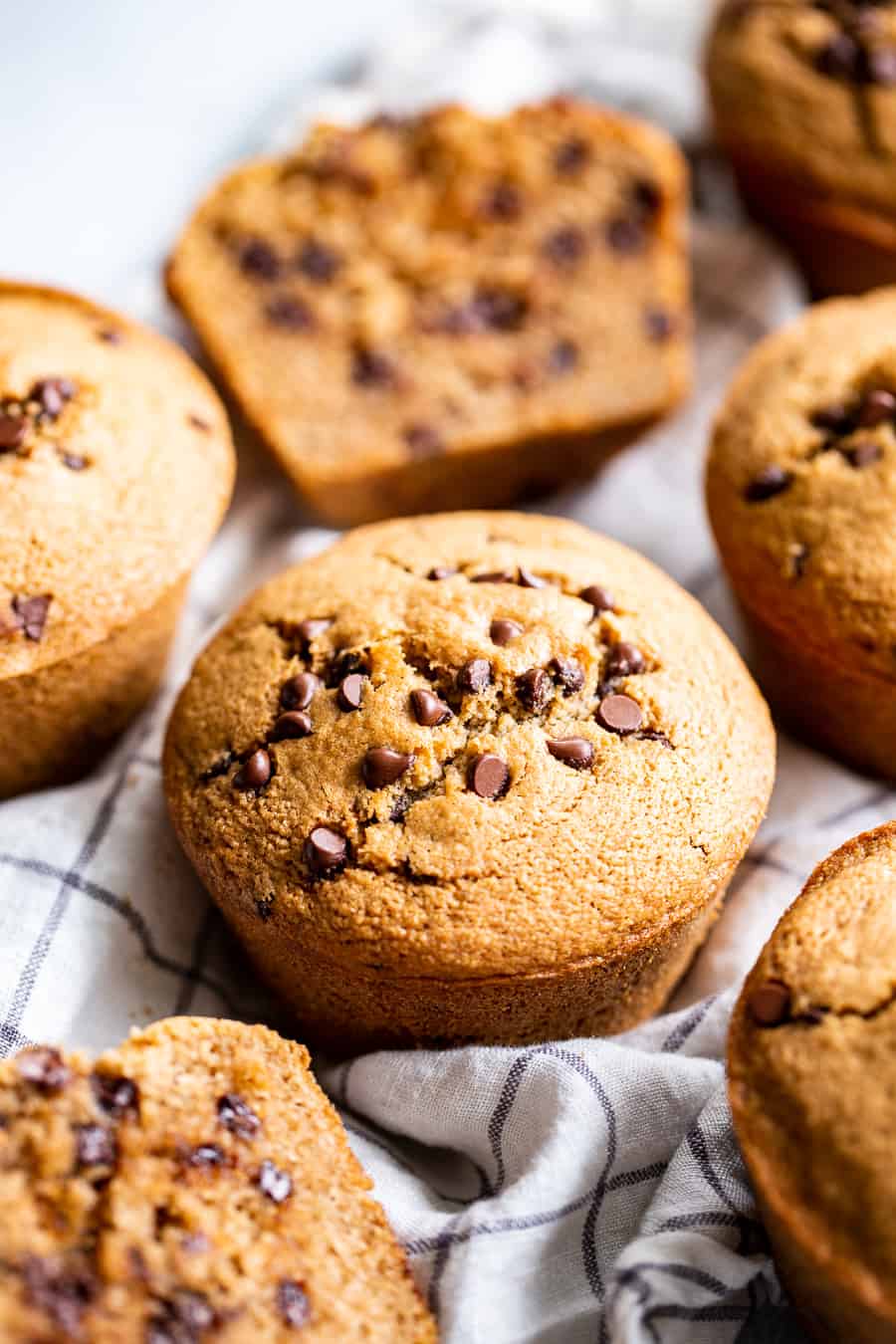
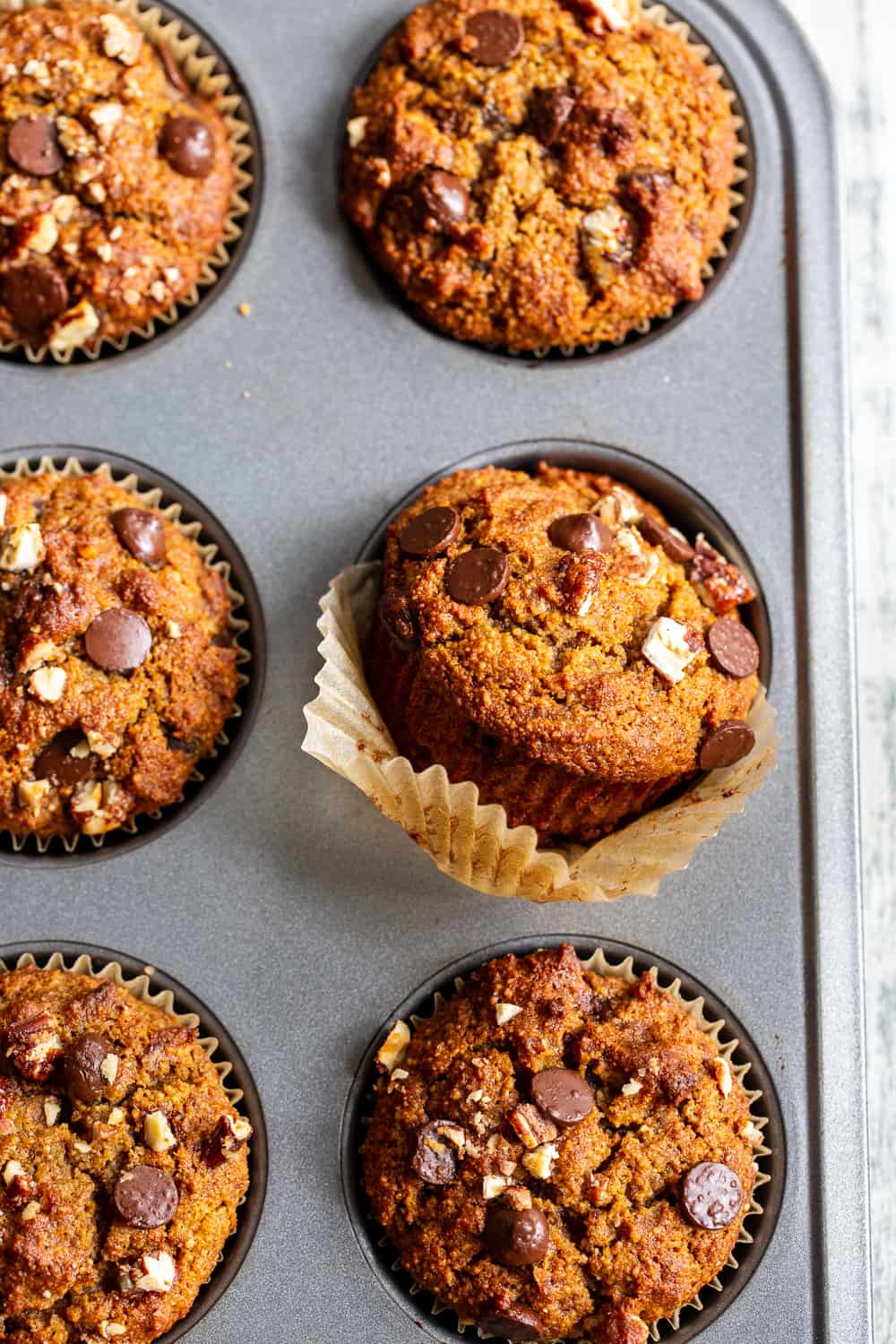
Double Chocolate Banana Muffins
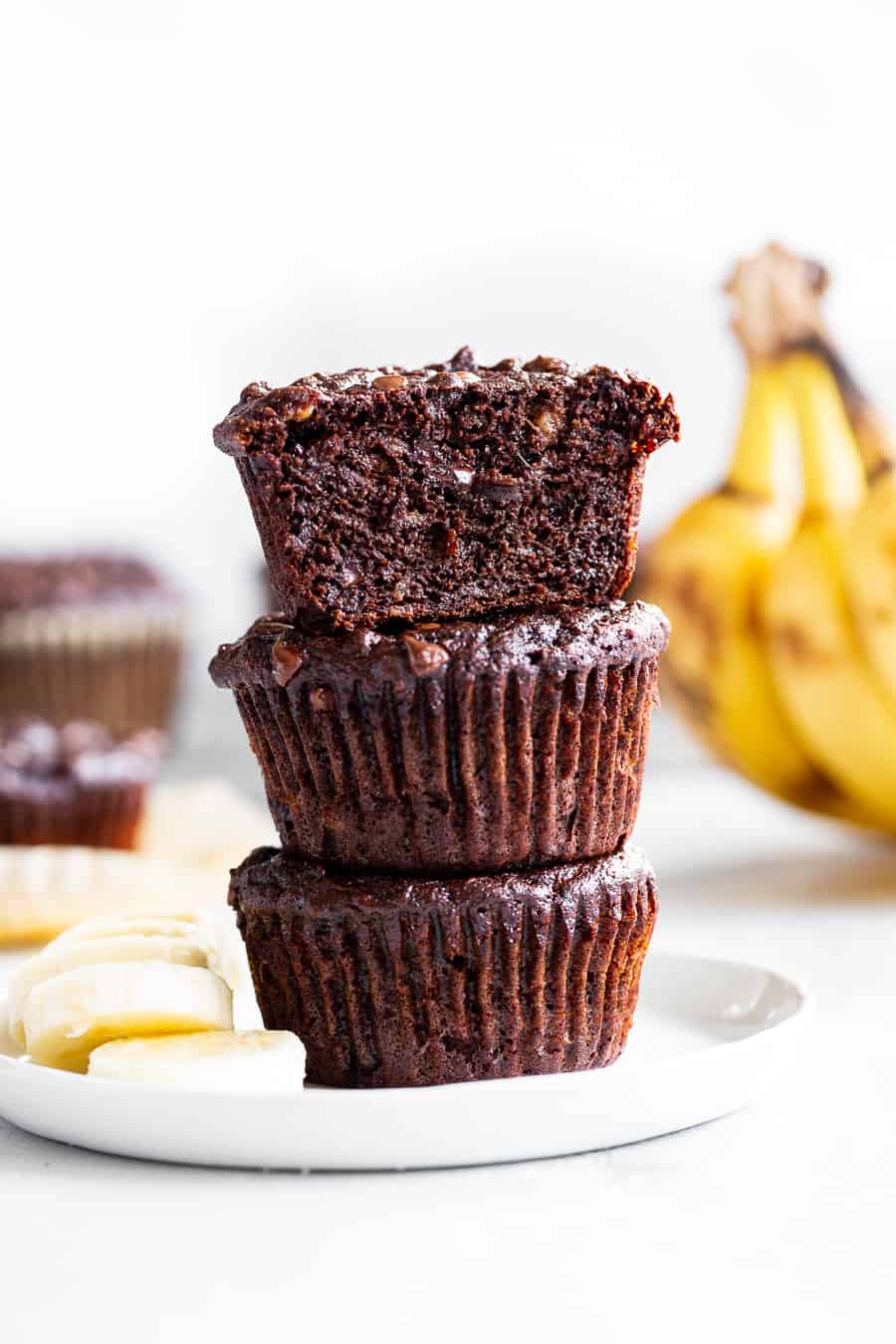
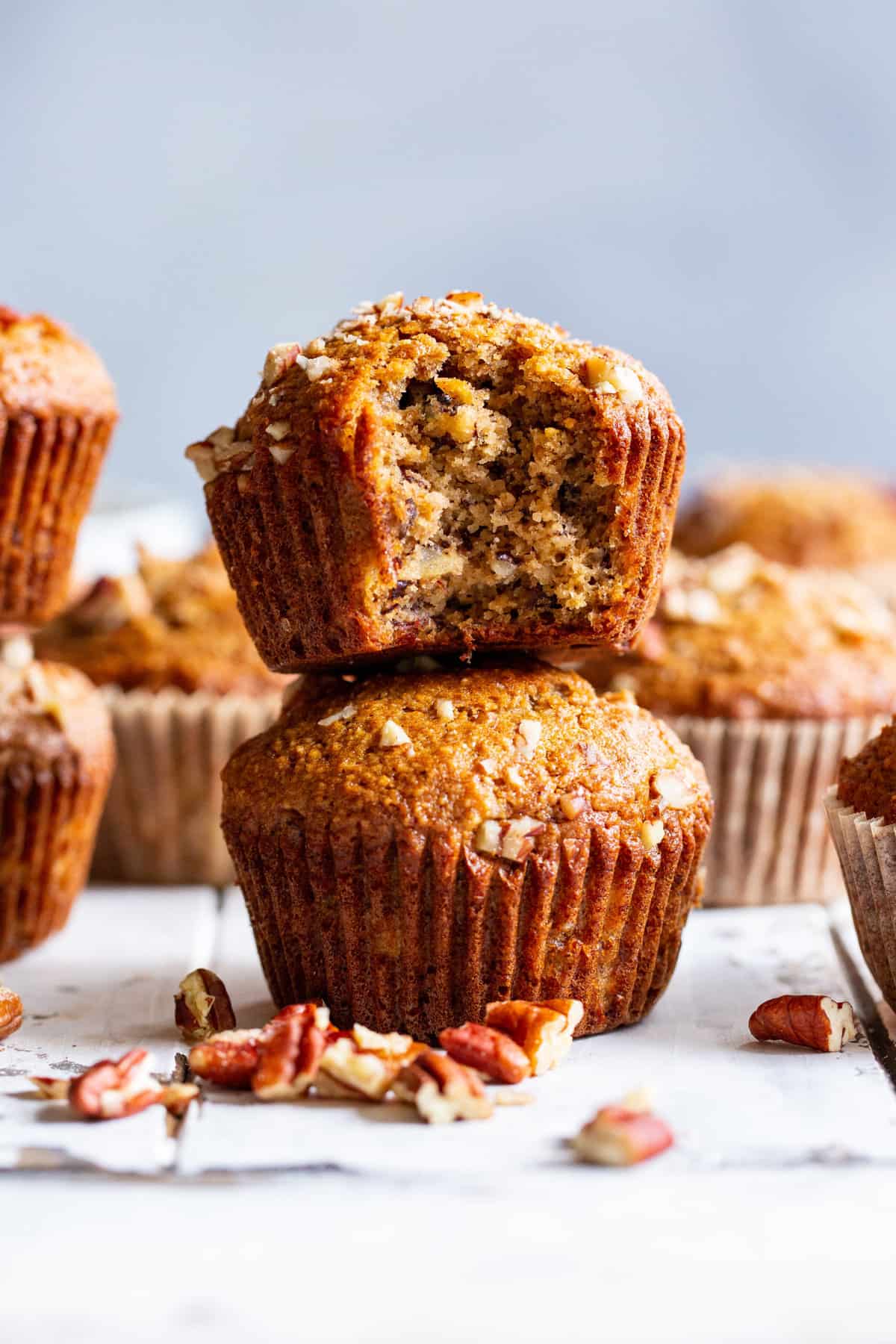
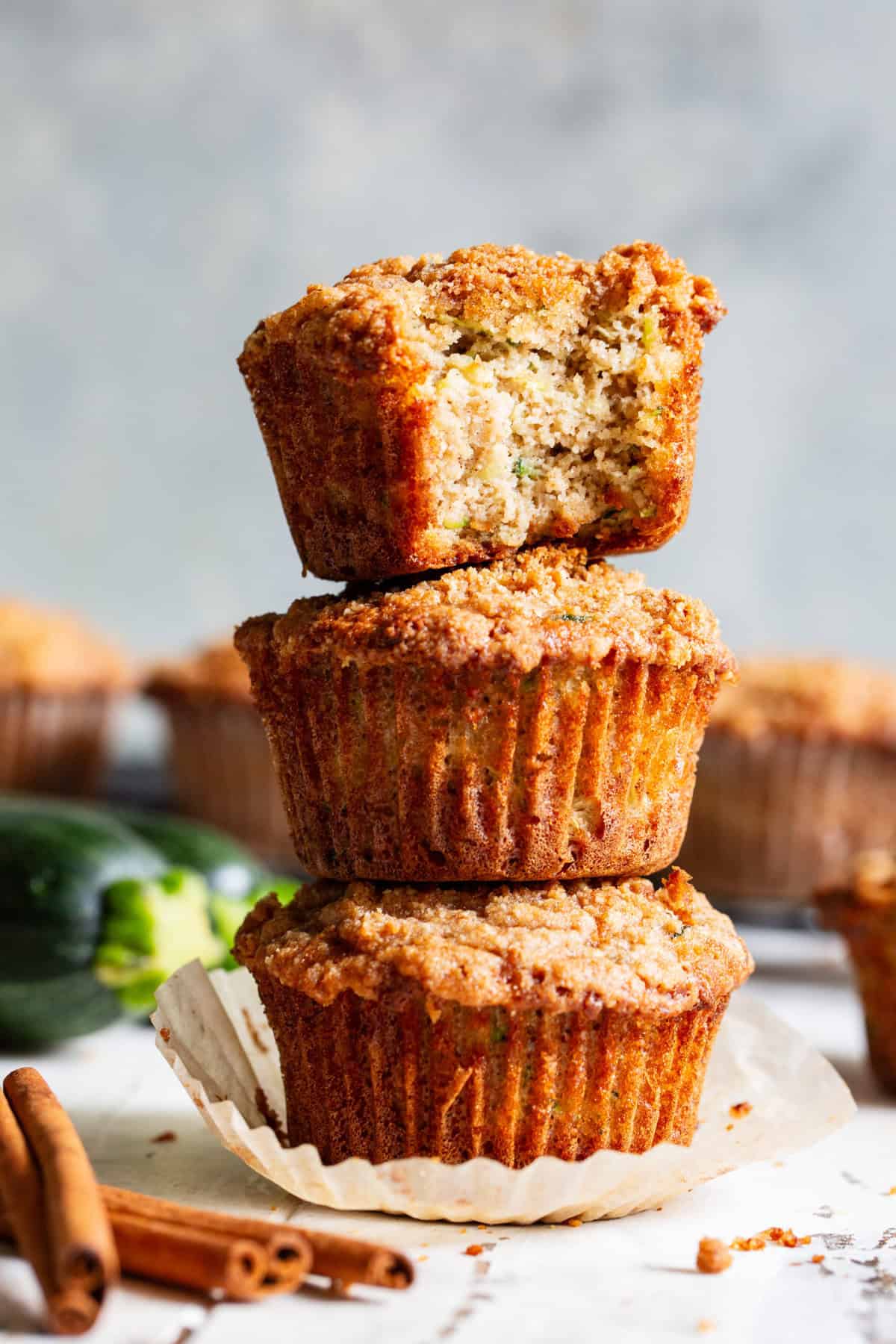
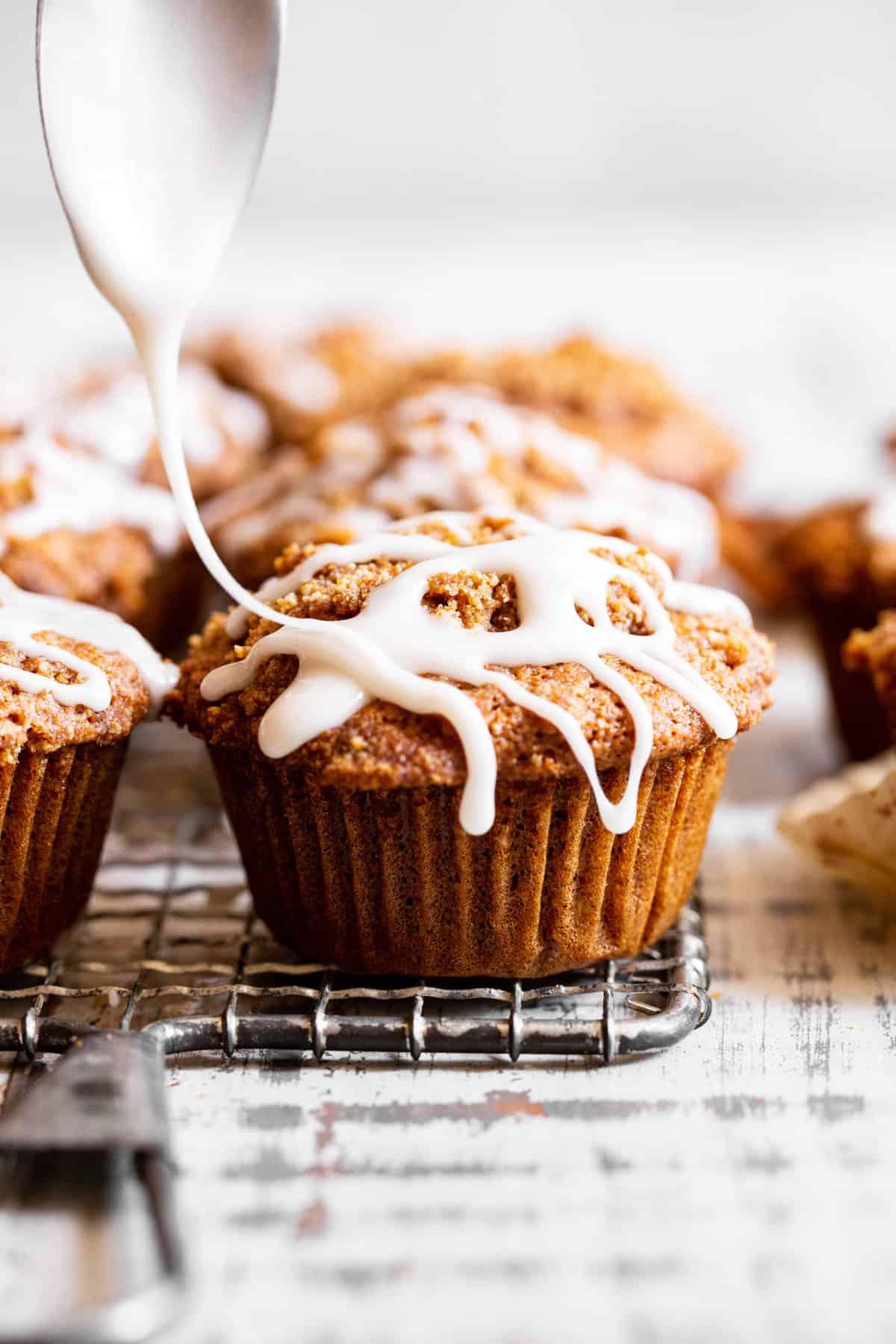
Banana Blueberry Coffee Cake Muffins
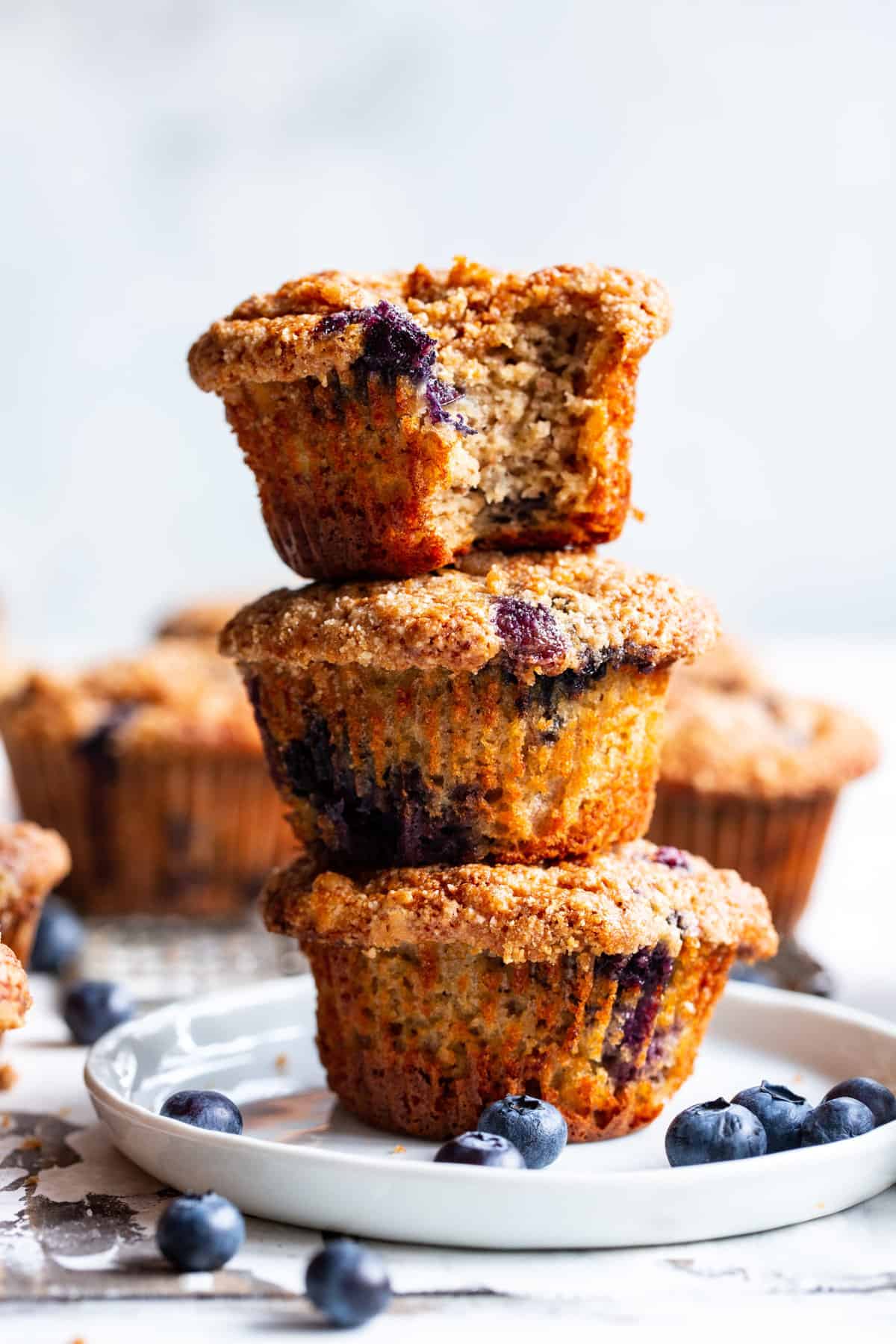
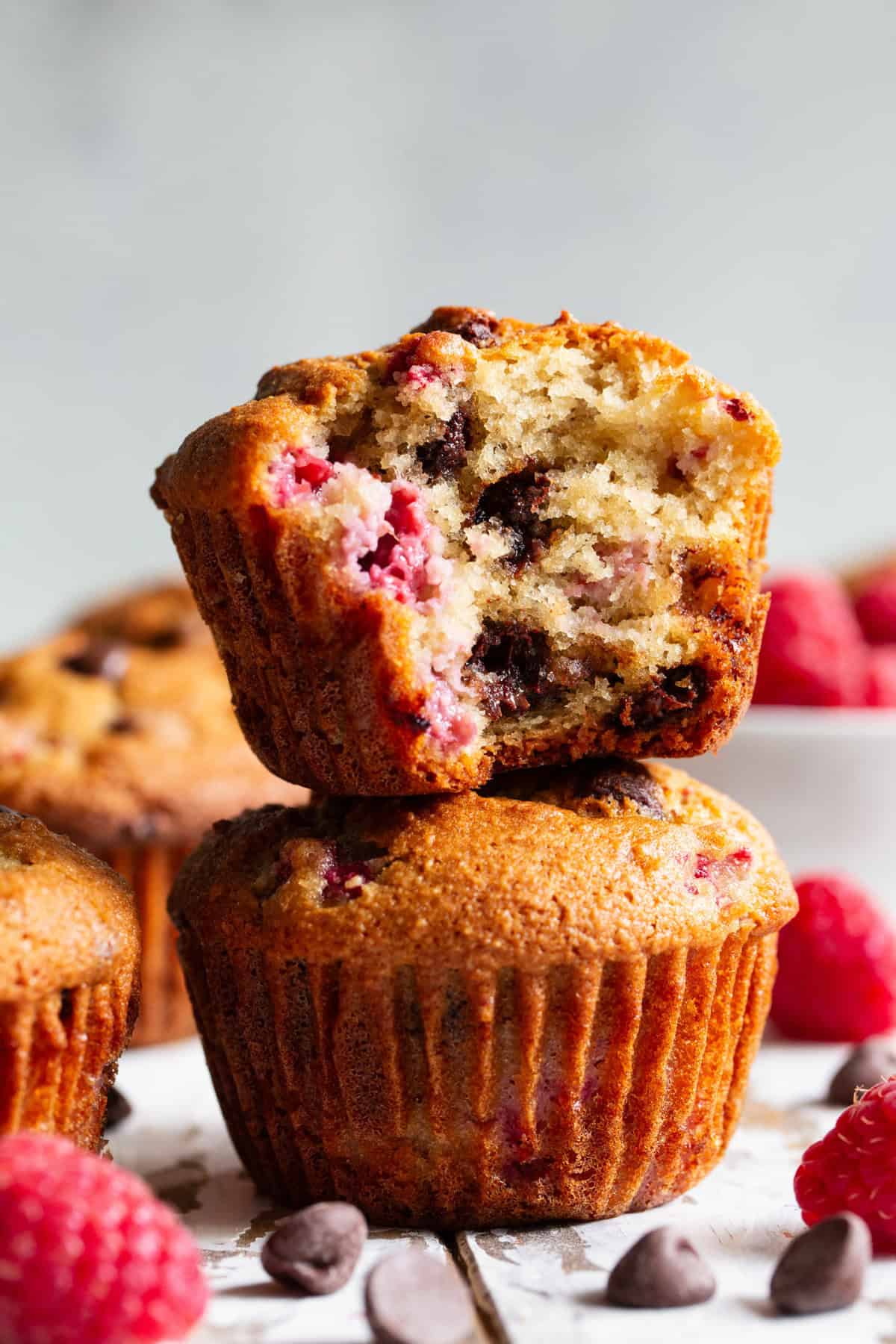
Raspberry Chocolate Chip Muffins
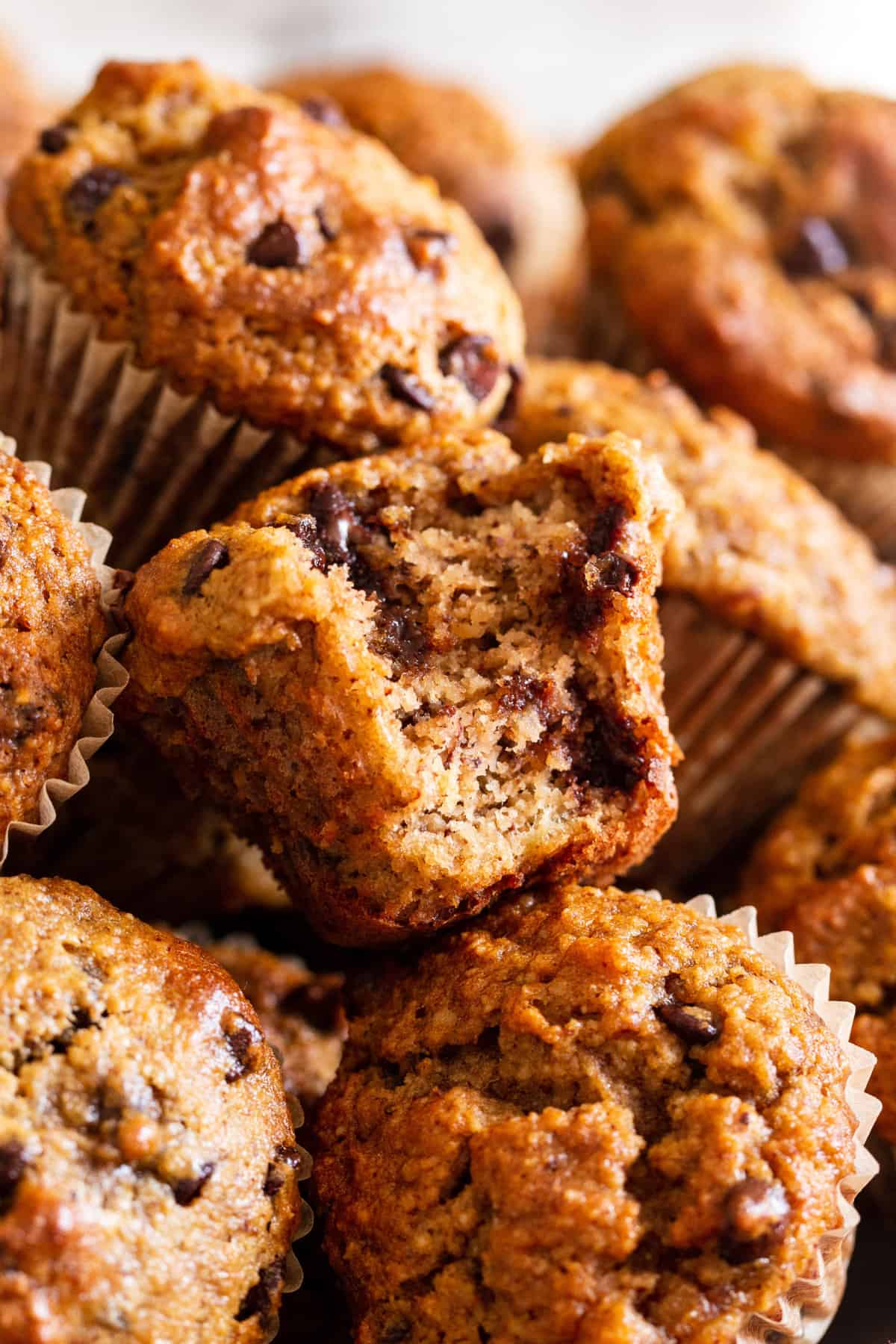
Mini Chocolate Chip Banana Muffins
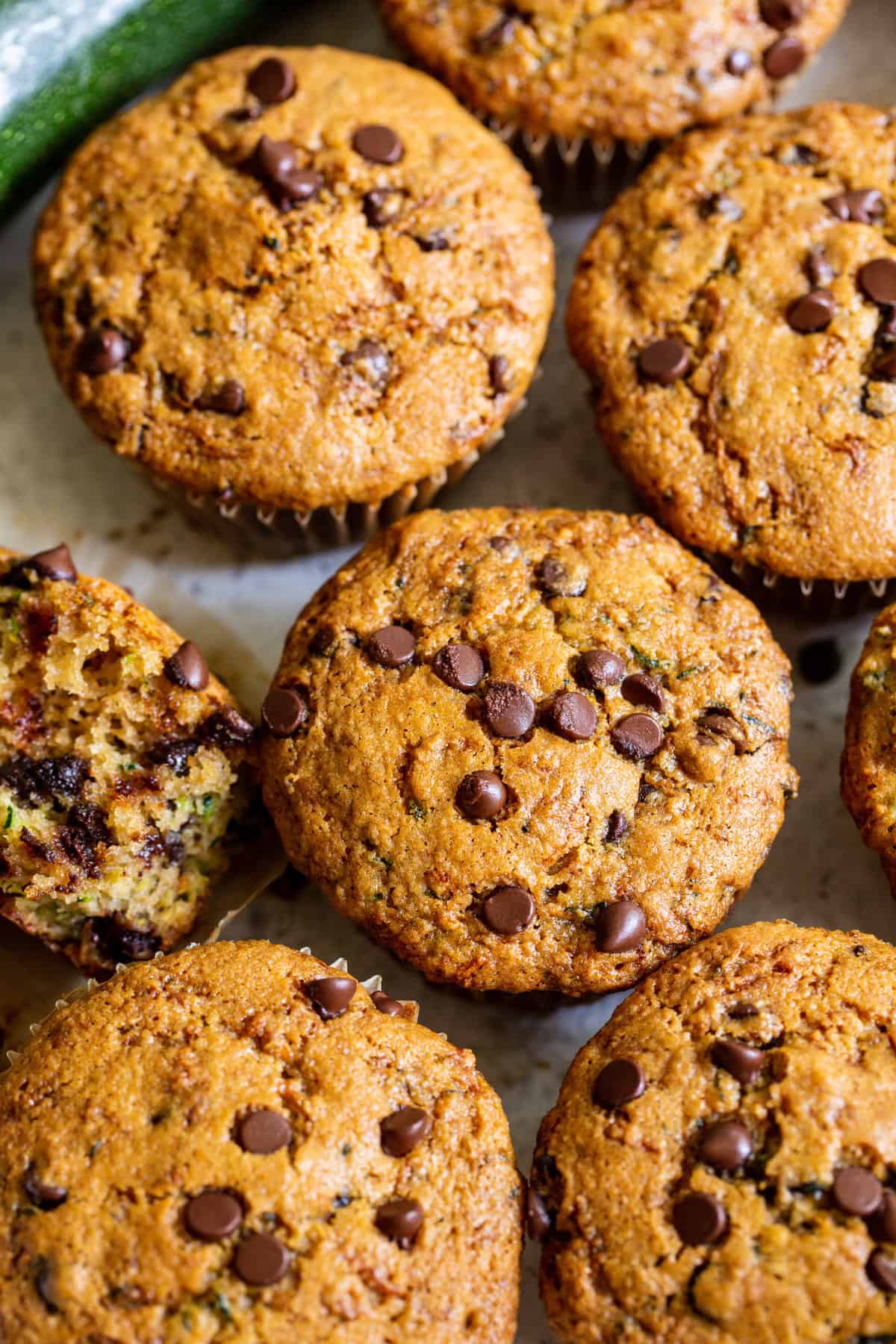
Chocolate Chip Zucchini Muffins
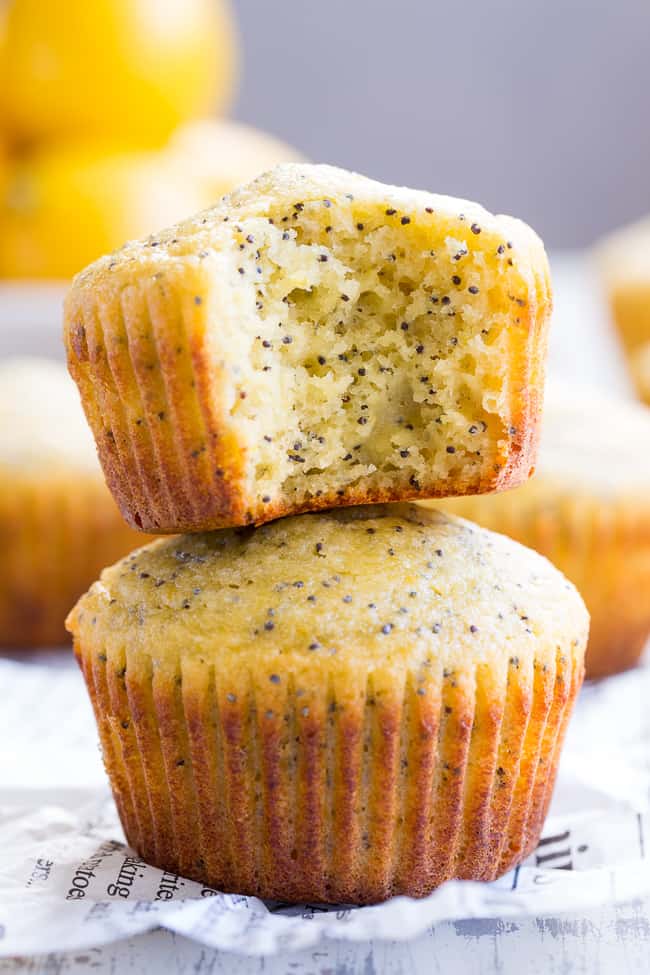
Seasonal Paleo Muffins
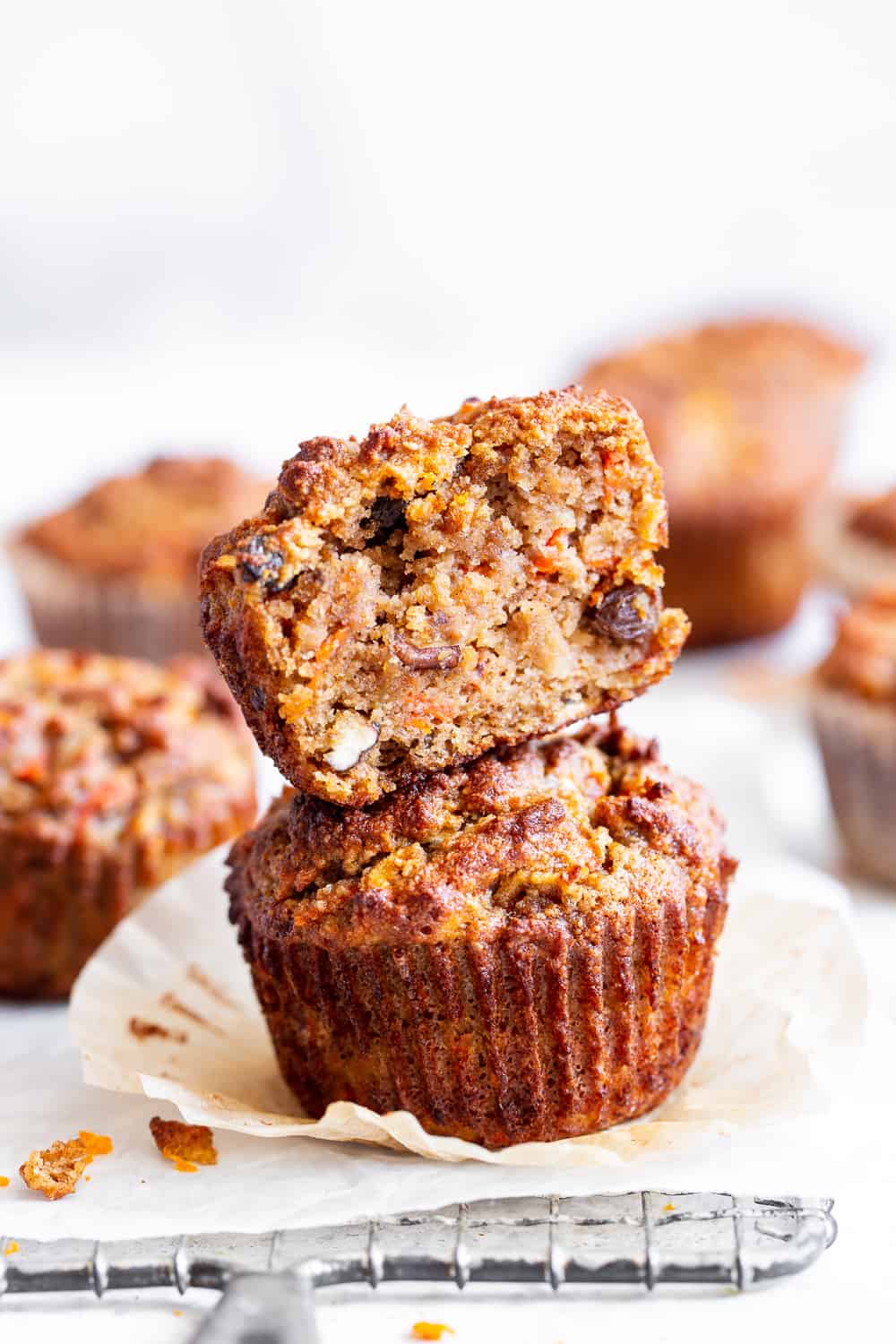
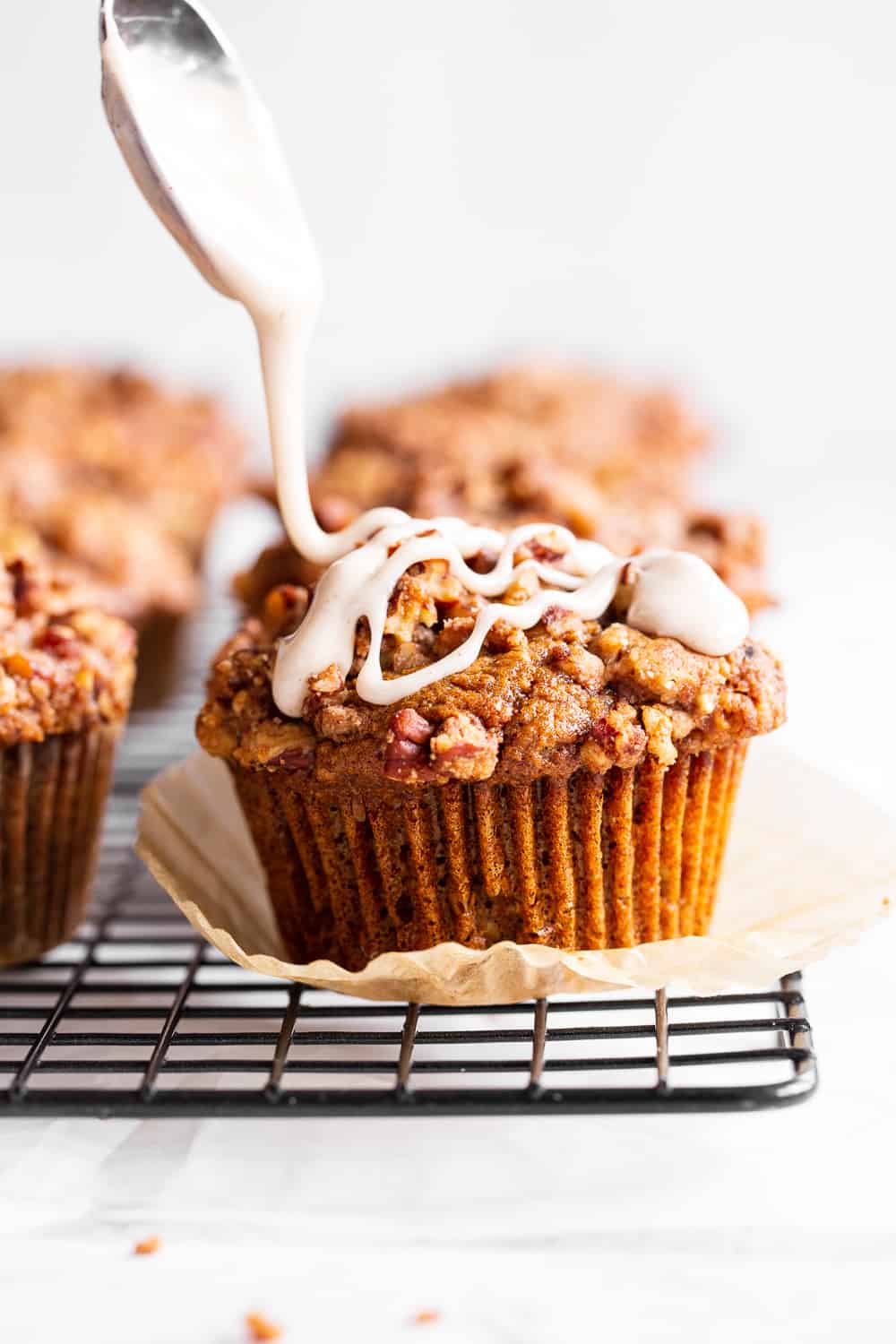
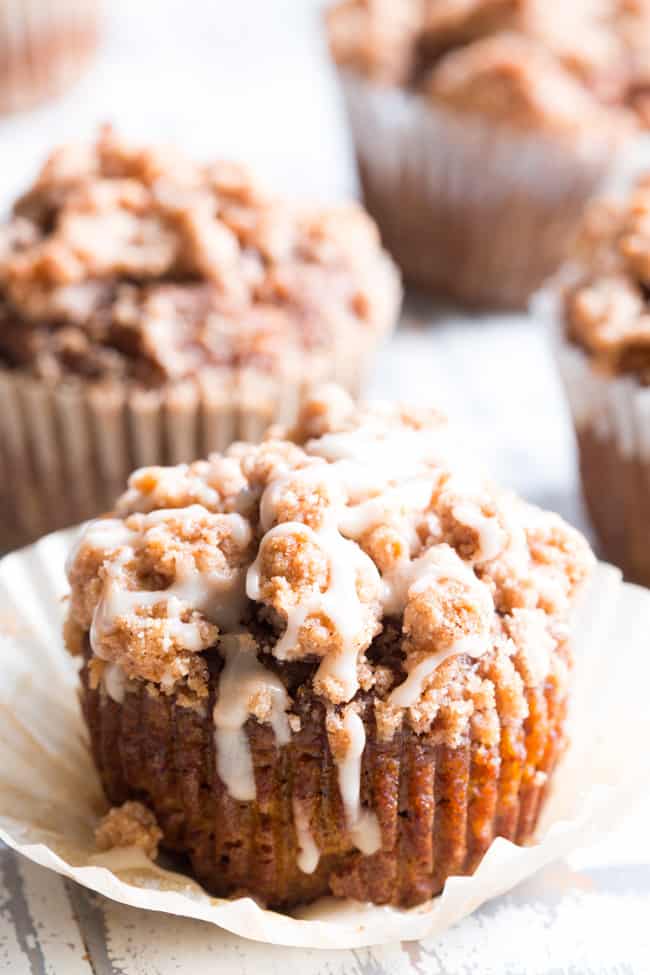
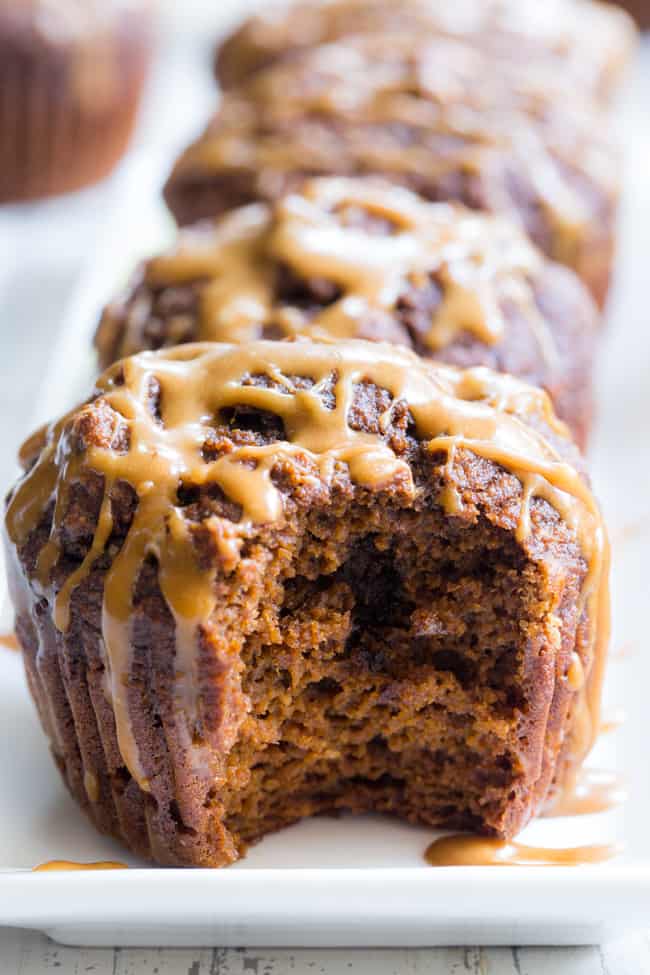
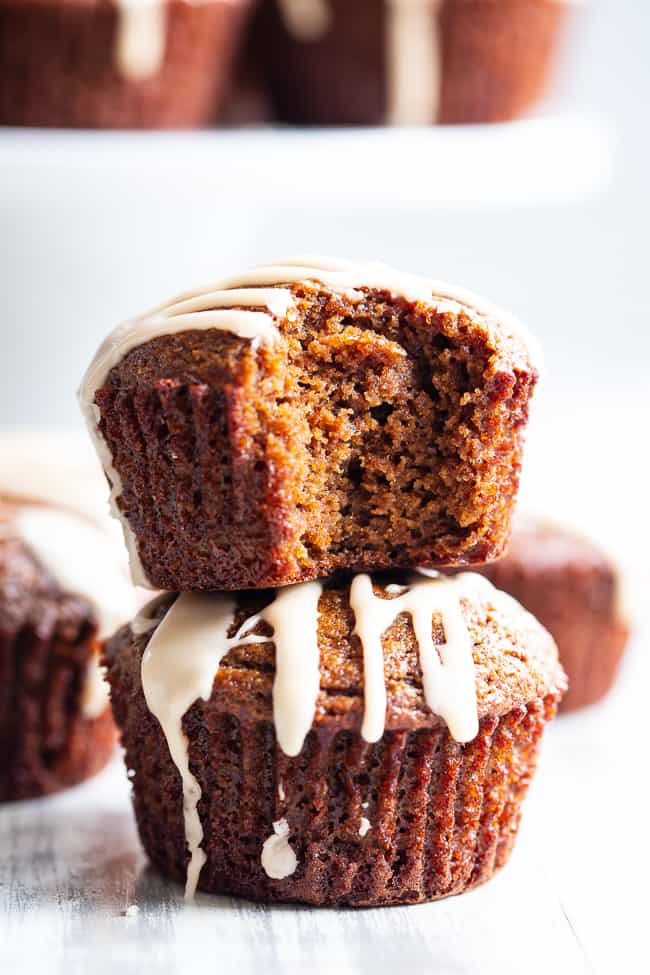
Carrot Cake Muffins with Crumb Topping
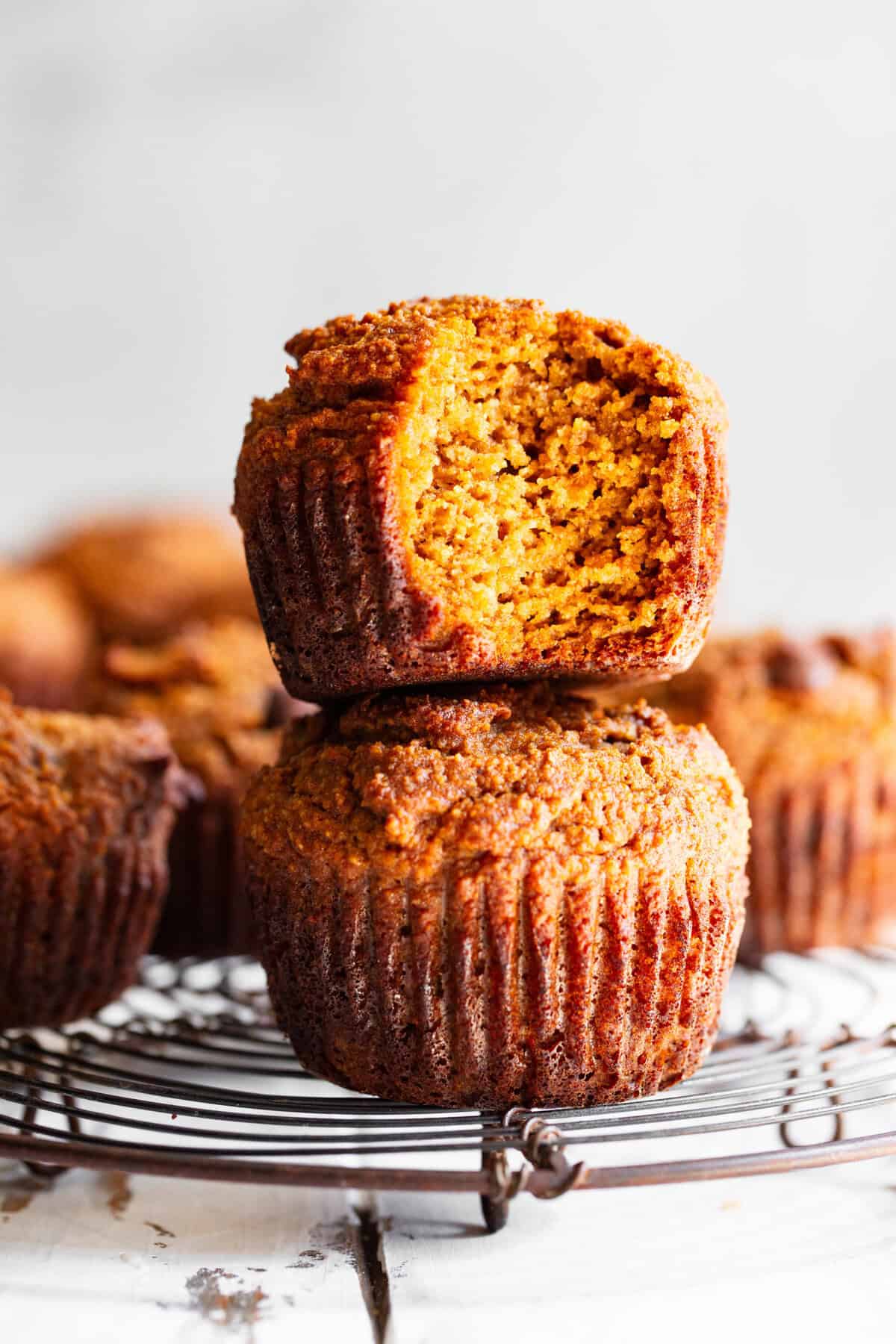
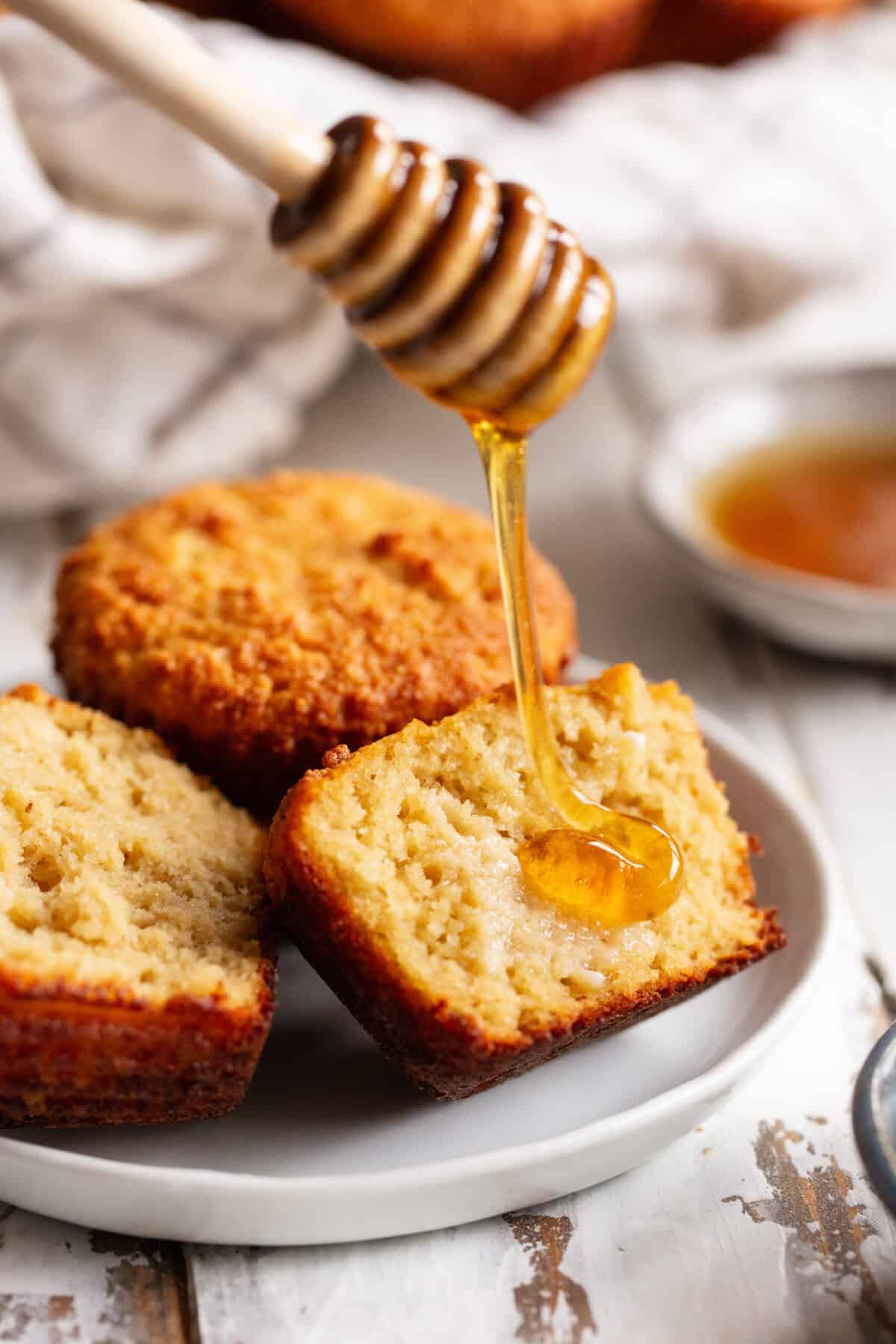
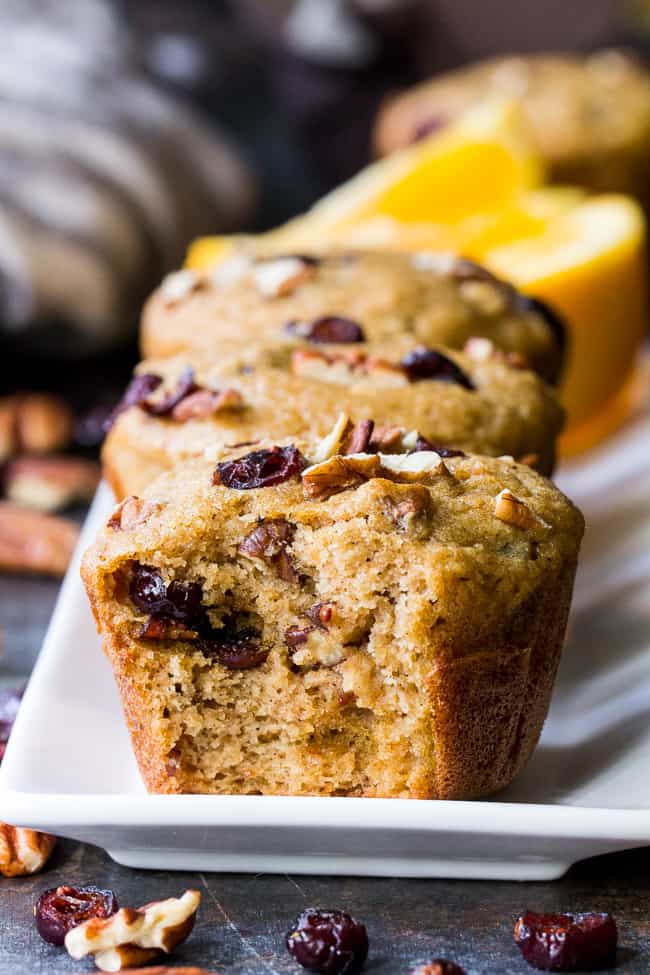
Pecan Cranberry Orange Muffins
FAQs
What makes a muffin paleo?
A muffin (and any baking recipe!) is considered paleo if it contains no grains, no dairy, no refined sugar, and no processed ingredients.
Paleo baked goods are typically made with almond flour or coconut flour, a starch like tapioca or arrowroot flour, natural sweeteners, eggs, and healthy fats.
I sometimes use ghee or grass fed butter in muffins, especially for crumb toppings, but there will always be a dairy free option for strict paleo.
Are paleo muffins healthy?
Paleo muffins are typically made with almond flour, natural sweeteners, and healthy fats instead of refined flour, vegetable oils, and processed sugar.
While they still contain natural sweeteners and healthy fats, they’re higher in protein and healthy fats and lower in refined carbohydrates compared to traditional muffins.
What flour is used?
Most of my paleo muffins use blanched almond flour as the base.
Most recipes also include tapioca flour or arrowroot starch (they are interchangeable in most of my recipes) to improve texture and create a lighter crumb.
Coconut flour is used occasionally, but it has different properties than almond flour and uses different ratios because it absorbs far more liquid.
Why are my muffins dense?
Dense paleo muffins are usually caused by:
-
Too much almond flour
-
Not enough eggs
-
Skipping starch like tapioca or arrowroot
-
Overmixing the batter
-
Old baking soda
Can I substitute coconut flour?
This is one of the biggest mistakes in paleo baking!
Coconut flour absorbs 3–4 times more liquid than almond flour. Swapping them directly will result in dry, crumbly muffins!
While there are no guarantees substituting coconut flour, for the best possible results:
-
Use 1/4-1/3 cup of coconut flour for every cup of almond flour in the recipe
-
Add 1 extra egg
Are paleo muffins keto?
Some paleo muffins can also be keto, but not all. Paleo recipes often use honey or maple syrup, which are not considered keto-friendly.
To make a muffin both paleo and keto, it must use a low-carb sweetener, like monk fruit or erythritol, to keep total carbs low.
Can I make them egg free?
Egg-free paleo muffins are challenging because eggs provide structure and lift. I’ve tried and failed at this many times!
Some recipes will use flax eggs or gelatin eggs, but the texture will differ from traditional almond flour muffins that use eggs.
How do I make muffins more moist?
I’ve always found that almond flour naturally creates moist muffins, so this is not typically an issue.
But, if your muffins are turning out dry:
-
Add 1–2 extra tablespoons of oil
-
Use liquid sweeteners like maple syrup or honey either alone or with a granulated sweetener like maple sugar
-
Don’t overbake
-
Store properly after cooling
Why do paleo muffins stick to liners?
Almond flour contains natural oils that can cause sticking, especially with paper liners. For best results:
-
Use parchment paper liners – I love these so much!
-
Lightly grease liners – for extra sticky muffins only – I use this baking spray
-
Let muffins cool before removing – fully cooling ensures they won’t stick
How long do paleo muffins last?
At room temperature, most of my muffins last about 1 day. Because they contain almond flour and healthy fats, they’re best stored in the refrigerator for up to 5 days.
They also freeze well for up to 3 months.
Final Thoughts on the Best Paleo Friendly Muffins
Whether you’re looking for a quick weekday breakfast, a healthy snack, or something sweet without grains or dairy, these muffins have you covered!
From classic blueberry and banana to seasonal favorites and chocolate chip treats, there’s a recipe here for every craving and occasion.
Each one is made with simple ingredients like almond flour, natural sweeteners, and healthy fats, so you can feel good about what you’re baking!
If you’re new to paleo baking, start with a classic recipe like my one bowl blueberry muffins and use the baking tips above to guarantee soft, fluffy muffins every time.
If you’ve been baking grain free for years, I hope this collection gives you new inspiration to try something different!
-
Save this page for easy reference
-
Pin your favorite recipes for later
-
Check back often — I’m always adding new muffin recipes!










Leave a Comment